
Family Fun
How to Start Hiking with Kids: A Beginner's Guide to Family-Friendly Trails
September 14, 2026
The first family hike usually goes wrong in the same way. Someone picks a route that looks modest on a map, the children sprint the first ten minutes, and by the halfway point you are carrying a four-year-old and promising ice cream. That is not a failure of enthusiasm. It is a failure of planning, and it is easy to fix.
Children can walk much further than most adults expect. They just need a route with something to look at, a pace with room for stopping, and snacks that appear at the right moment.
Choose a trail that is shorter than you think
Trail distances are written for adults. Expect to move much more slowly with children, and to stop far more often, so a two-mile loop can easily fill a morning.
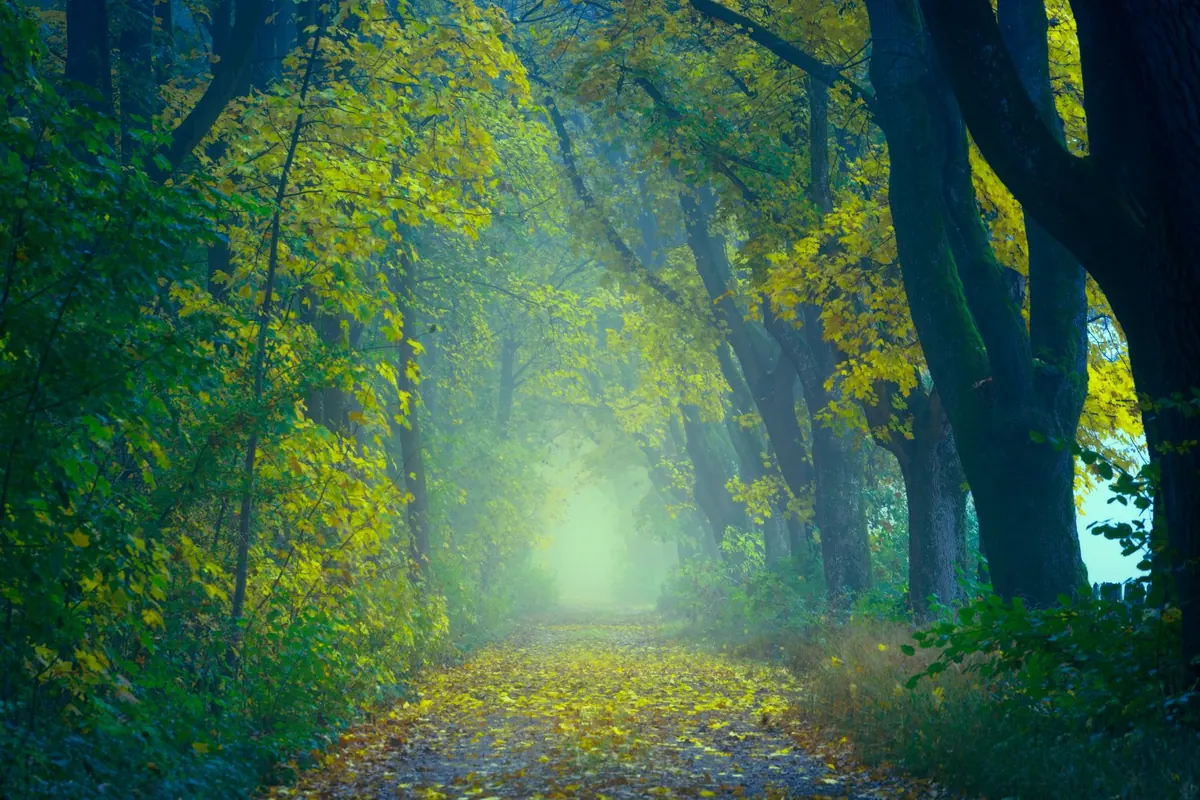
For a first outing, look for a flat route with a clear path: a rail trail, a canal towpath, a country park loop, or a nature reserve with a visitor centre and toilets at the start. Good signs include a bench halfway round, an obvious turning point, and something to aim for at the end — a picnic table, a stream, a playground.
Leave the exposed ridge walks, scrambles and anything described as steep for another year. If the route description mentions a river crossing, or a section where you will need your hands, it is not a first hike.
Pick a turnaround landmark before you set off: the big oak, the second bridge, the gate with the yellow sign. Children cope far better with "we're walking to the bridge" than with "we've got another mile."
Before you leave the house
Know the route
Print the map or download it for offline use — signal in woods and valleys is unreliable. Note the junctions, and any point where you could cut the walk short. A five-minute look at the map before you go saves a long stretch of standing at a fork with a bored eight-year-old.
Tell someone where you are going
Send a message with the route and your expected return time, and agree what happens if you are late. Thirty seconds of effort, and it matters.
Check the forecast, then check it again
Weather shifts faster on open ground than it does in a street. Layers work better than one thick coat, and everyone should carry their own waterproof. If the forecast is genuinely grim, save the walk for another day. There is no prize for a miserable first hike.
Pace: slow is the point
The goal of a first hike is to finish with everyone still willing to do it again. Distance is not the measure.
Children start fast and fade. Plan a gentle opening stretch — walking until the big tree, then running — rather than an immediate race. Let them lead sometimes; a child who is setting the pace complains less.
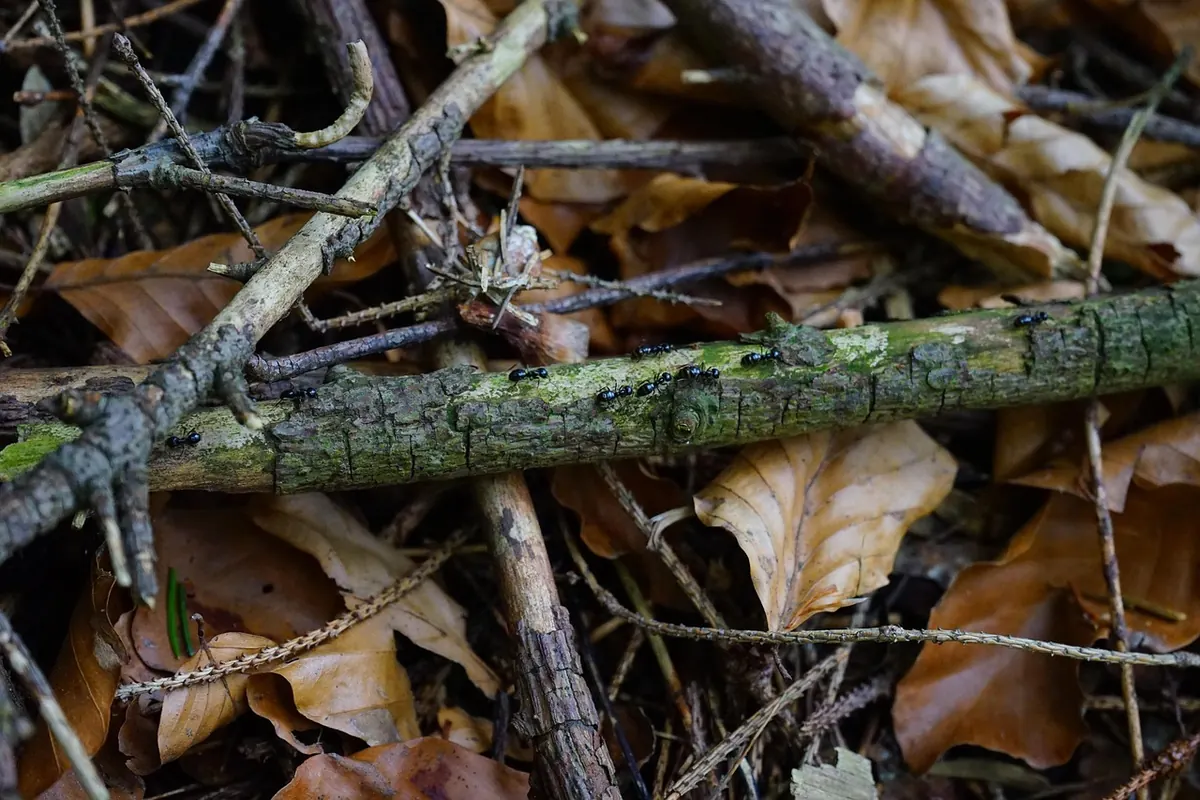
Stop when they want to look at something. A beetle under a log, a feather, a stone that looks like a face: that is the walk. Break the route into small, visible landmarks. "The next bend" is achievable. "Half a mile to go" is not a phrase a six-year-old can feel.
Packing: what earns its place
Snacks do more work than any piece of kit. Take more than you think you need, and hold one back for the final stretch.
- Water for everyone, plus a refill — children drink more than adults when they are moving
- Easy food: sandwiches, oatcakes, cheese, apples, dried fruit
- Something salty as well as something sweet, so nobody crashes an hour in
- A surprise snack that appears at the lowest moment
- A small first aid kit: plasters, blister patches, a couple of antiseptic wipes
- Spare socks and a plastic bag for wet or muddy clothes
- Sun cream, hats, waterproofs and a thin fleece each
- A head torch if the walk might finish late
- A folded mat or jacket to sit on when you stop
Keep the children's own packs light — water and their own snack, and not much else. Handing a seven-year-old a heavy bag is the quickest way to end the day early. Make sure footwear fits well and is slightly worn in; stiff new boots on a long walk usually mean blisters.
Keeping children safe
On a path wide enough, an adult leads and an adult follows, with the children in between. Teach one rule early: if you can't see me, stop. Older children can carry a whistle on a cord and a card in their pocket with your phone number on it.
Water is the biggest hazard on otherwise easy routes. Fast-flowing streams and loose riverbanks are not for first hikes, and cold water is more dangerous than it looks. Check for ticks after walking through long grass — behind the ears, in the hair, in the creases — and remove any you find promptly with fine tweezers, following your local health guidance.
Watch the heat and the cold, too. Shade and water in summer; layers and a dry spare top in winter. Turn back if a child is shivering or unusually quiet. If your child has asthma, allergies or another health condition, speak to a doctor before the hike about what to carry, and make sure the other adult on the walk knows about it.
Keeping everyone interested
A bored child is a faster route home than any shortcut. Give everyone a job — map reader, gate closer, snack carrier, photographer — and swap roles at each stop.
Simple games do the rest:
- A tick list of five things to find: a feather, three kinds of leaf, a stone with a hole, an animal track, something blue
- Colour counting: how many different greens can you spot in this field?
- Letting them navigate for a stretch, even though you already know the way
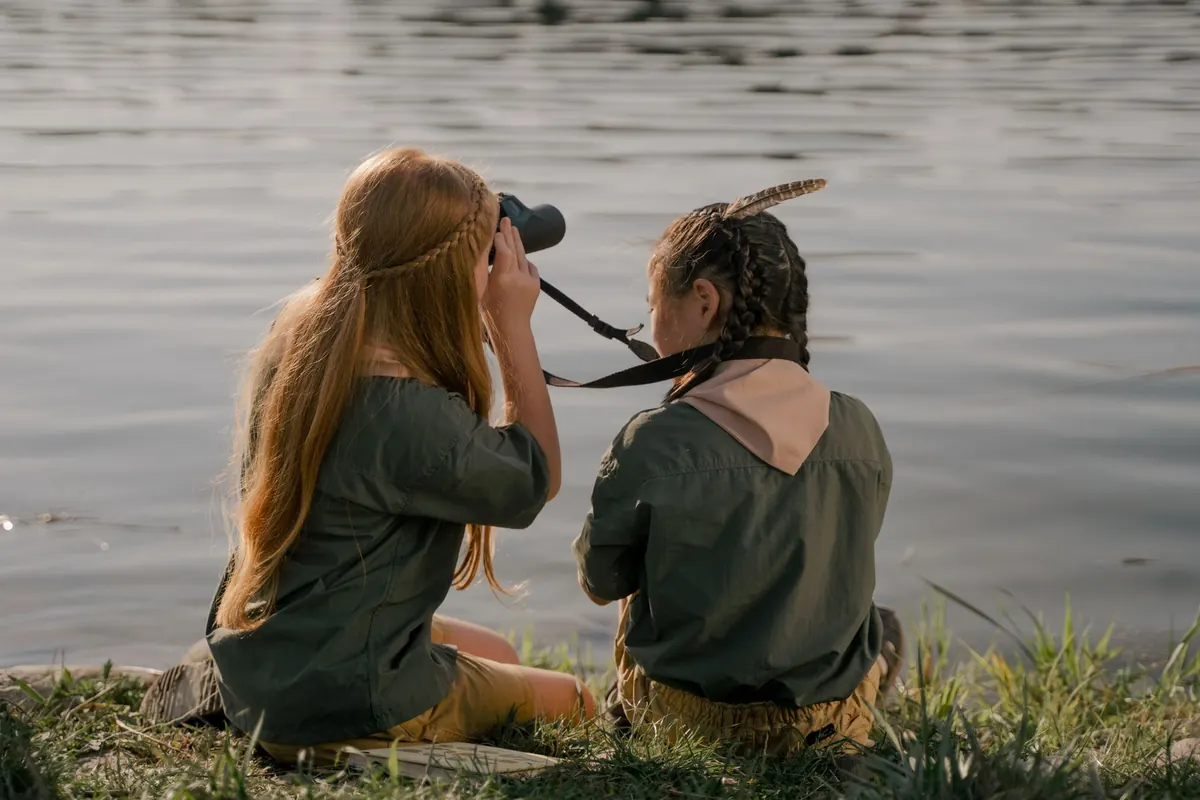
- A pocket guide or a bird identification app with the sound off, so you are still listening to the woods
Two children of similar age will walk twice as far as one. If you can, bring a friend along.
Treat the first hike as a test run
Turn back while it is still fun. The first complaint is information, not weakness — and a walk that ends early is a walk they will agree to repeat.
Afterwards, note what worked: the distance, the snacks, the pace. Next time, add a little more — half a mile, or one gentle hill — and let the route grow with them. Repeat the same loop through the seasons and they will learn it properly: where the blackberries ripen, where the path turns to mud, where the heron stands.
Keep it regular and short rather than occasional and enormous. A weekly mile in the rain teaches more about walking outdoors than one heroic summer expedition. Choose somewhere flat this weekend, and finish before anyone asks how much further.
Photo: silviarita / Pixabay
Related posts
More stories you’ll love reading