
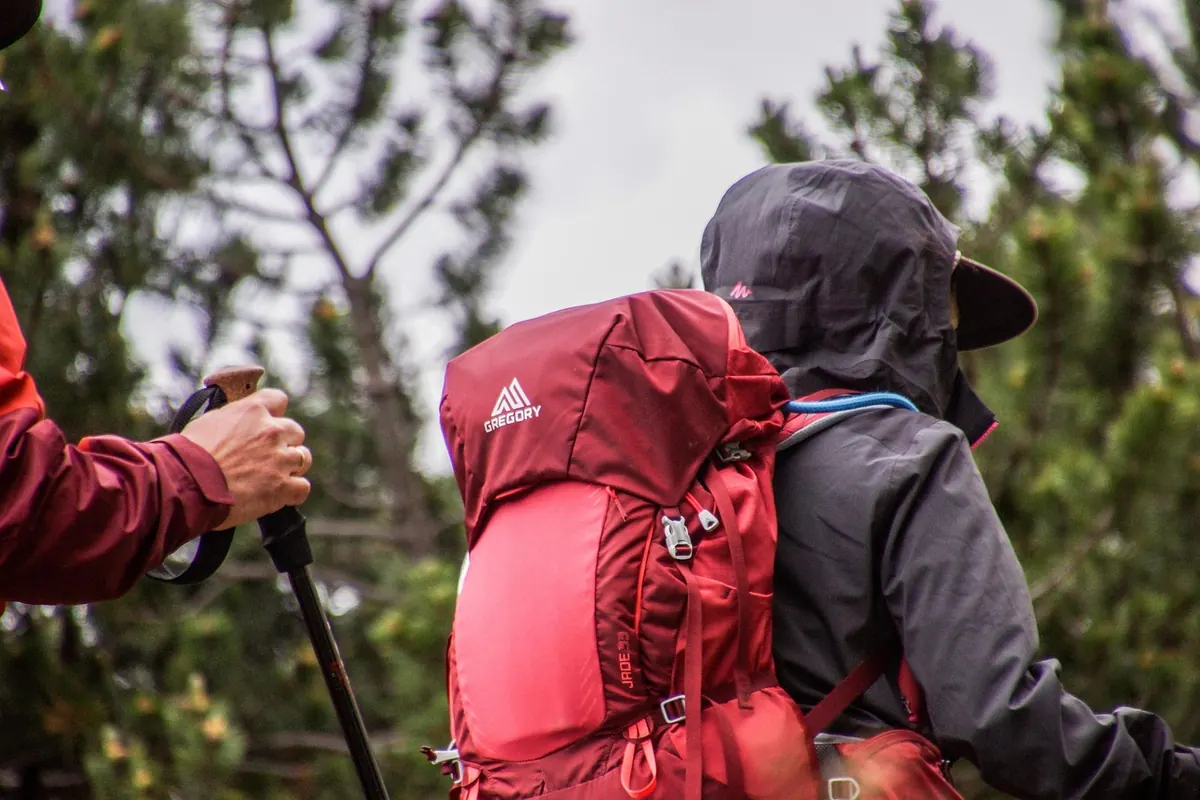
Most day hikes go exactly as planned, which is what makes packing for them so tricky. When the weather holds and the trail is obvious, half the gear in your pack feels like dead weight, and it is tempting to leave it behind next time. The ten essentials exist for the other hikes: the ones where someone turns an ankle an hour before dark, or a squall arrives earlier than the forecast promised. A small, deliberate kit is less about fear and more about freedom. You move further and make better decisions when you know a surprise won't ruin the day.
The Ten Essentials, Adapted for a Day Pack
The classic list was written for mountaineers, so a few items need downsizing for a half-day walk. The categories stay the same; the versions you carry shrink.
- Navigation. A paper map of the area plus a compass, or a downloaded offline map on your phone. Offline matters. Trail networks rarely have signal, and a blue dot that won't load is just a bright rectangle.
- Headlamp. Not a phone torch. Using your phone as a light drains the device you may also need for navigation. A small headlamp keeps both hands free, which is exactly what you want on a rough descent.
- Sun protection. Sunglasses, a brimmed hat, and sunscreen you'll actually reapply. Sunburn on a ridgeline is a slow way to ruin the following day.
- First aid. Blister plasters, a few sterile gauze pads, tape, antiseptic wipes, tweezers, and any personal medication. If you have a medical condition that could flare up on trail, talk to your doctor about what belongs in that pouch rather than guessing.
- Knife or multitool. Small, cheap, endlessly useful for slicing cheese, trimming a frayed strap or prying a stuck buckle.
- Fire. A lighter plus a few waterproof matches in a dry bag. You will probably never need them. If you do, damp matches are worthless.
- Emergency shelter. A space blanket or a lightweight bivy bag that folds to the size of your fist. It weighs almost nothing and turns a cold, wet wait into a survivable one.
- Extra insulation. One layer more than the forecast suggests. A thin fleece or synthetic puffy squashes into the bottom of a day pack.
- Extra food. One snack beyond what you plan to eat. Nuts, a bar, dried fruit — something that won't melt or crush.
- Water and, on longer routes, a way to treat more. A filter or purification tablets open up streams and refills you'd otherwise have to walk past.
Sizing the Kit to the Hike
Three hours on a well-marked town path and eight hours on an exposed moor are not the same outing, and the kit shouldn't pretend otherwise. Ask two questions before you pack: how far am I from a road, and how long would a rescue realistically take? The further and longer the answer, the more you carry. On a short local loop, the essentials collapse into a small pouch and a one-litre bottle. On a full day in the hills, they become a proper pack with a shell, real food and two litres of water.
Warm-Weather Swaps
Summer trims weight without cutting corners. Swap the insulated jacket for a light windproof layer, and trade the bivy for a space blanket if you're staying low and close to help. Water becomes the main problem rather than warmth, so carry more than feels comfortable and plan a refill point. Start early. Heat exhaustion builds quietly, and the middle of a hot afternoon is a poor time to be climbing.
Cold-Weather and Shoulder-Season Swaps
This is where the kit grows, and where people get caught out most often. Shoulder season means days that start at four degrees and finish at eighteen, so layers beat a single heavy jacket.
- Insulation: a synthetic puffy rather than down, because it keeps some warmth when damp.
- Shelter: step up from a space blanket to a proper emergency bivy.
- Hands and head: gloves and a hat, even when the forecast looks mild.
- Feet: spare socks in a dry bag. Wet feet plus dropping temperatures is a genuinely bad combination.
- Light: sunrise and sunset arrive faster than you think, so check the headlamp battery before you leave.
Packing It So You'll Actually Use It
A kit you can't find is a kit you don't have. Pack by how often you'll reach for something: water and snacks accessible without stopping to unload, rain shell near the top, everything else organised into two or three small stuff sacks. Keep the headlamp in the same pocket every single time so your hands know where to go in the dark. After each hike, empty the pack, bin the rubbish, replace what you ate, and dry anything damp before it goes back in the cupboard. Five minutes at the kitchen table saves a lot of fumbling at a trailhead.
Before You Leave the Trailhead
Tell someone where you're going and when you expect to be back. Check the forecast, not just for the valley but for the higher ground, where conditions can differ sharply. Charge the phone and download the map. Then run one last check: if this hike takes two hours longer than planned, does my pack cover me? Warmth, light, water, food, and a way to know where I am. If the answer is yes, go and enjoy it. If it's no, add the missing piece. That single question does more for your safety than any gadget on the shelf.
Photo: rottonara / Pixabay
Related posts
More stories you’ll love reading